Why Flat Roof Puddles Matter More Than They Look
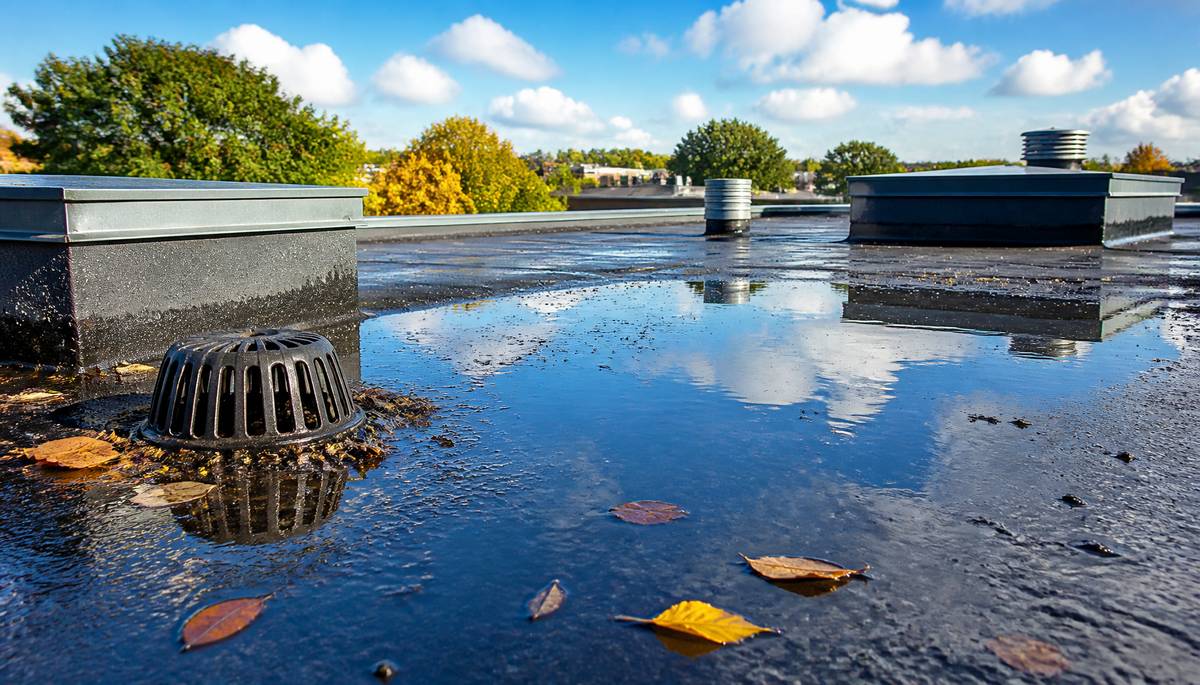 Water has a talent for making itself comfortable where it is least wanted. On a flat roof, a shallow puddle can look harmless enough: a temporary silver patch after rain, perhaps reflecting a rather distorted version of the sky. Yet when that same patch returns repeatedly, it may be doing more than waiting patiently for sunshine. It can be pointing to a drainage issue, a low section in the roof structure or an outlet quietly collecting leaves, grit and whatever else the wind has donated.
Flat roofs are designed with a slight fall, even if they appear completely level from the ground. That subtle slope guides rainwater towards outlets, gutters or drainage channels. When water remains in one place for longer than expected, the route may be interrupted. A roof does not need to resemble a swimming pool before it deserves attention; recurring shallow standing water can still place extra strain on roofing materials and expose small weaknesses over time.When Rainwater Refuses to Leave
A puddle immediately after a heavy downpour is not automatically a problem. Rain takes time to drain, particularly during a proper British soaking when the clouds seem to have misplaced the off switch. The more useful question is how long the water remains. If it has mostly disappeared within a day or two of dry weather, the roof may simply be drying at a normal pace. If the same puddle remains for several days, returns in exactly the same location, or appears to be growing after each storm, it is worth investigating.
Standing water can accelerate wear on roof coverings. Membranes, seams and surface coatings are built to withstand weather, but prolonged immersion tests them differently from ordinary rainfall. Water can also hide splits, blisters and failed joints until a small defect develops into a leak below. By the time a ceiling stain arrives indoors, the roof has often been trying to send quieter messages for quite a while.What a Recurring Puddle Can Reveal
The cause is not always blocked drainage. Sometimes the roof deck beneath the covering has sagged slightly, creating a low point where water naturally gathers. This can happen as materials age, after heavy loading, or where an underlying structural issue needs assessment. In other cases, insulation may have settled unevenly, changing the intended fall of the roof without making a dramatic announcement about it.
Blocked outlets and gutters remain common suspects. Moss, leaves, gravel and windblown debris can gradually restrict water flow. A drain may look clear from above while being partially blocked further down, which is rather like judging a plumbing system by complimenting the plughole. Checking drainage points after rain can reveal whether water is moving freely or lingering around an outlet that should be doing more of the work.Keep an Eye on the Aftermath
Property owners can monitor a flat roof safely from accessible ground-level views, upper windows or approved access areas. After rainfall, note where water collects and take dated photographs from the same viewpoint. This creates a useful record of whether a puddle is shrinking, staying put or becoming a familiar permanent resident.
Simple Checks Without Risky Shortcuts
Do not climb onto a roof simply to inspect a puddle, particularly when the surface is wet, slippery or unfamiliar. Flat roofs can conceal weak areas, and a small drainage concern is not improved by adding an accidental foot-shaped dip to the discussion. If safe access already exists, look for obvious debris around outlets, gutter mouths and drainage channels. Remove only loose material that can be reached without leaning, stretching or walking across vulnerable surfaces.
Watch for other signs that give the puddle more importance. These include bubbling or lifting in the roof covering, cracks around seams, loose edge trims, vegetation growth, damp patches on internal ceilings, peeling paint near upper walls or a musty smell in rooms beneath the roof. Any of these alongside recurring standing water suggests that professional inspection is sensible rather than optional.
A notebook or phone record can be surprisingly useful. Note the date of heavy rainfall, approximate puddle size, weather conditions over the following days and whether the water drains away. This information helps distinguish an occasional slow-draining patch from a persistent fault. It also gives a roofing contractor something more useful than “there was a bit of water up there once, probably around February.”Knowing When to Call for Investigation
A professional should assess a flat roof when water remains after several dry days, when ponding becomes more widespread, or when there are signs of internal dampness. Investigation may include checking outlet performance, examining the roof covering, assessing the falls and identifying whether the deck or insulation has changed shape. The aim is not always to replace the entire roof; sometimes clearing drainage, repairing a local defect or correcting a small low area resolves the issue before it becomes expensive.
Serious warning signs deserve prompt action. Water entering the building, a visibly sagging roof area, soft or springy sections underfoot where access is authorised, or sudden worsening after a storm can indicate more than ordinary surface ponding. Delaying inspection in these circumstances risks damage to insulation, timber, ceilings, electrical fittings and the building structure itself.A Matter of Drain Interest
Flat roof puddles are easy to dismiss because they are quiet, shallow and apparently unhurried. That is exactly why they can linger unnoticed while drainage problems or structural dips develop beneath the surface. Treat a recurring puddle as useful information rather than a minor inconvenience. A few observations after rain, sensible attention to accessible drainage points and timely professional advice can keep a small patch of standing water from becoming a much larger and wetter problem.
|
|
